

Geothermal energy is heat within the Earth. The word geothermal comes from the Greek words geo (earth) and therme (heat). Geothermal energy is a renewable energy source because heat is continuously produced inside the Earth. People use geothermal heat for bathing, for heating buildings, and for generating electricity. (eia.gov, n.d.)
Who is this for: Superintendent, CFO, Facilities, Board, Sustainability Lead
By Kristen Wrona, Senior Federal Proposal Manager. Contributing Author, Rory Stegeman, PE, CGD, LEED AP, CX, Principal Engineer, Geothermal and Mechanical Engineering Technical Lead representing the views of Veregy.
At a Glance:
Through the installation of a ground source heat pump (GSHP) system, your district can:
- Reduce and create more predictable operating costs
- Decrease maintenance and extend the equipment’s useful life
- Improve indoor air quality and thereby the learning environment
- Facilitate deferred maintenance savings
- Participate in utility and federal rebate programs
GEOTHERMAL ENERGY IS:
Renewable – It supplies renewable power around the clock, emits little or no greenhouse gases, and has a small environmental footprint.
Reliable – Geothermal energy provides baseload power and delivers a high capacity factor, typically 90%, meaning that geothermal power plants can operate at maximum capacity nearly all the time. This high capacity factor allows geothermal power generation to balance intermittent sources of energy like wind and solar.
Versatile – Geothermal is a total energy solution, providing electricity, heating and cooling, even access to critical minerals like lithium. (energy.gov, n.d. Office of Geothermal)
Geothermal heating and cooling (geoexchange) helps schools cut energy use and stabilize long-term operating costs by using the earth’s steady underground temperatures to efficiently transfer heat. Paired with modern ventilation strategies, it can improve comfort and indoor air quality while supporting decarbonization goals. With proper site evaluation and available incentives, geothermal becomes a durable, future-ready investment that strengthens school campus resilience for decades.
Geothermal Basics
According to the Department of Energy (DOE), geothermal energy is heat energy from the earth; geo (earth) + thermal (heat). Geothermal resources are reservoirs of hot water that occur naturally or are human-made, at varying temperatures and depths beneath Earth’s surface. Wells ranging from a few feet to several miles deep can be drilled into underground reservoirs to tap steam and very hot water, which can be brought to the surface for use in a variety of applications, including electricity generation, heating and cooling, and direct use.
The earth’s energy can also be used in something called geoexchange, which uses the ground for heating and cooling specific applications rather than for electric generation.
This can be done at the building level (individual building) or in a “community” setting, such as a university or a district heating system, where multiple buildings are connected to the same geothermal loop.
Heat pumps promote healthier, safer, and more resilient learning environments. (School-infrastructure.org, 2025)
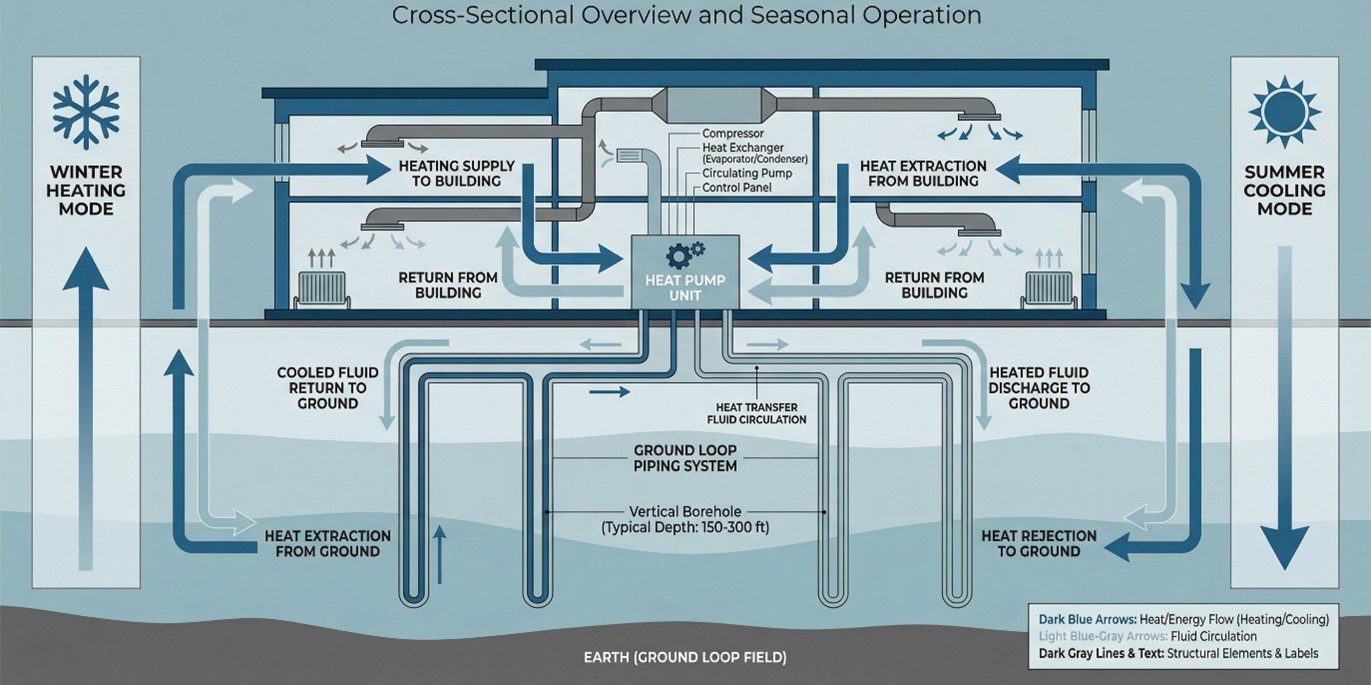
Heat pumps move heat from one place to another using electricity. An air conditioner and a refrigerator are two common examples of heat pumps. Heat pumps can also be used to heat and cool buildings. Geothermal heat pumps (GHPs) leverage constant underground temperatures to efficiently transfer heat, heating schools in winter and cooling them in summer.
For additional information of how geothermal energy systems function, the Department of Energy has produced this informational video.
Exhibit 2: Geothermal Heat Pump System for Schools. A GSHP system installation does not need additional footprint, and equipment is installed indoors, protecting it from the environment. Supplementary on-site generation, such as solar panels, can help reduce a facility’s reliance on the public grid.
Common Pain Points Facing Schools
- High and volatile energy spending (often one of the largest non-instructional operating costs) makes budgets vulnerable to utility rate changes and extreme weather.
- Deferred maintenance driven by aging buildings and limited capital budgets, which pushes districts into reactive “break/fix” cycles instead of planned replacement.
- Aging or inadequate HVAC systems that need updates or replacements, creating comfort issues and frequent service needs (and, in some cases, safety concerns).
- Indoor air quality and ventilation challenges (often tied to HVAC problems and maintenance issues) can contribute to asthma/allergy triggers, higher absenteeism, and reduced academic performance.
- Facilities team capacity constraints (staffing + time) limit their ability to execute preventive maintenance. This, along with aging infrastructure constraints and long-range planning activities. (Facilities Drive, 2024)
Reduce and Create More Predictable Operating Costs
Because GSHPs use steady underground temperatures, they are more energy-efficient than conventional boilers or rooftop HVAC units, reducing energy intensity by up to 60%.
DOE’s GSHP guide notes systems can move ~3-5x the energy they consume. (Energy.gov, n.d.)
Furthermore, utility costs become more predictable year over year because GSHP efficiency is not affected by extreme weather or volatile fuel prices.
Decrease Maintenance and Extend Equipment Useful Life
GSHP systems have fewer moving parts and no combustion, thus decreasing overall maintenance. Since the equipment is indoors and protected from the elements, maintenance is reduced, and lifespans are extended, resulting in lower overall annual maintenance costs. Underground loops typically last 50+ years; indoor equipment lasts 20–25 years, longer than traditional boilers/rooftop units (RTUs). (igshpa.org, n.d.)
GSHP systems use distributed heat pumps without large centralized equipment, reducing system complexity and failure points. (Murphy, 2025)
Improve Indoor Air Quality and Thereby the Learning Environment
GSHPs are often paired with dedicated outdoor air systems (DOAS) that efficiently deliver filtered, fresh air. This improved air meets ventilation standards and reduces costs associated with absenteeism, health issues, and regulatory compliance.
Facilitates Deferred Maintenance Savings
Because the GSHP system has a longer life cycle, costly boiler and chiller replacements are eliminated. The existing aging systems can be replaced with a single GSHP system. Where possible, existing equipment can be reused to reduce initial implementation costs.
Participate in Utility and Federal Rebate Programs
While federal solar PV rebates have expired, the tax credit for ground-source heat pumps (Sec. 48) remains intact. (No material changes to current law.) Credit is available for projects that commence construction by December 31, 2034. Unlike the tax credit for geothermal energy production (Sec. 48E), the tax credit for ground-source heat pumps (Sec. 48) is not subject to any of the new Prohibited Foreign Entity (PFE) rules. Law removes a barrier to leasing of ground-source heat pumps. (UndauntedK12.org, n.d., UndauntedK12, 2025)
Geological Considerations
To reap the greatest benefits of a GSHP system, the right geologic conditions provide the highest efficiency and consistent subsurface temperatures. The ideal locations are those where ground temperatures remain between 45°F and 72°F at the drilling depth.
This means that areas of the country that experience extreme seasonal swings will benefit the most from a GSHP system, since surface temperatures matter less than subsurface temperatures. Other considerations include:
- Soil and rock thermal conductivity – high-conductivity materials (granite, wet clay, saturated sand) improve the performance of the GSHP system
- Groundwater conditions – groundwater can significantly influence heat transfer
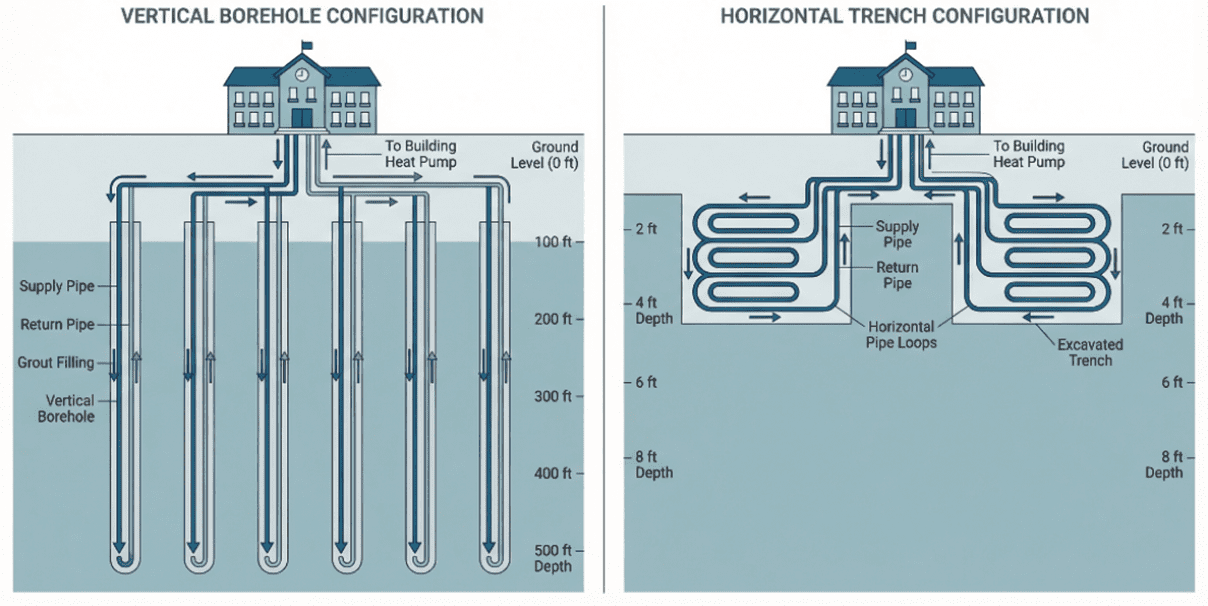
- Available land area – where surface area is limited, well fields can be installed vertically or horizontally, depending on the geologic conditions. Drilling depth can vary, which will affect overall installation costs.
- Geotechnical and drilling conditions – while hard rock provides the greatest thermal transfer, it is also the most difficult to drill into, thus increasing installation costs
- Seismic activity – areas with high seismic activity may require additional engineering
Exhibit 3 illustrates a closed-loop geothermal system for a building, in which fluid circulates through buried piping to exchange heat with the ground via a heat pump. It compares two loop configurations: vertical boreholes drilled to a depth of roughly 300-500 ft and horizontal trenches/shallow loops installed about 4-8 ft below grade, each with supply and return piping.
Exhibit 3: Comparison of Geothermal Loop Configuration. The wellfield for your GSHP system can be either vertical or horizontal wells, depending on the subsurface conditions.
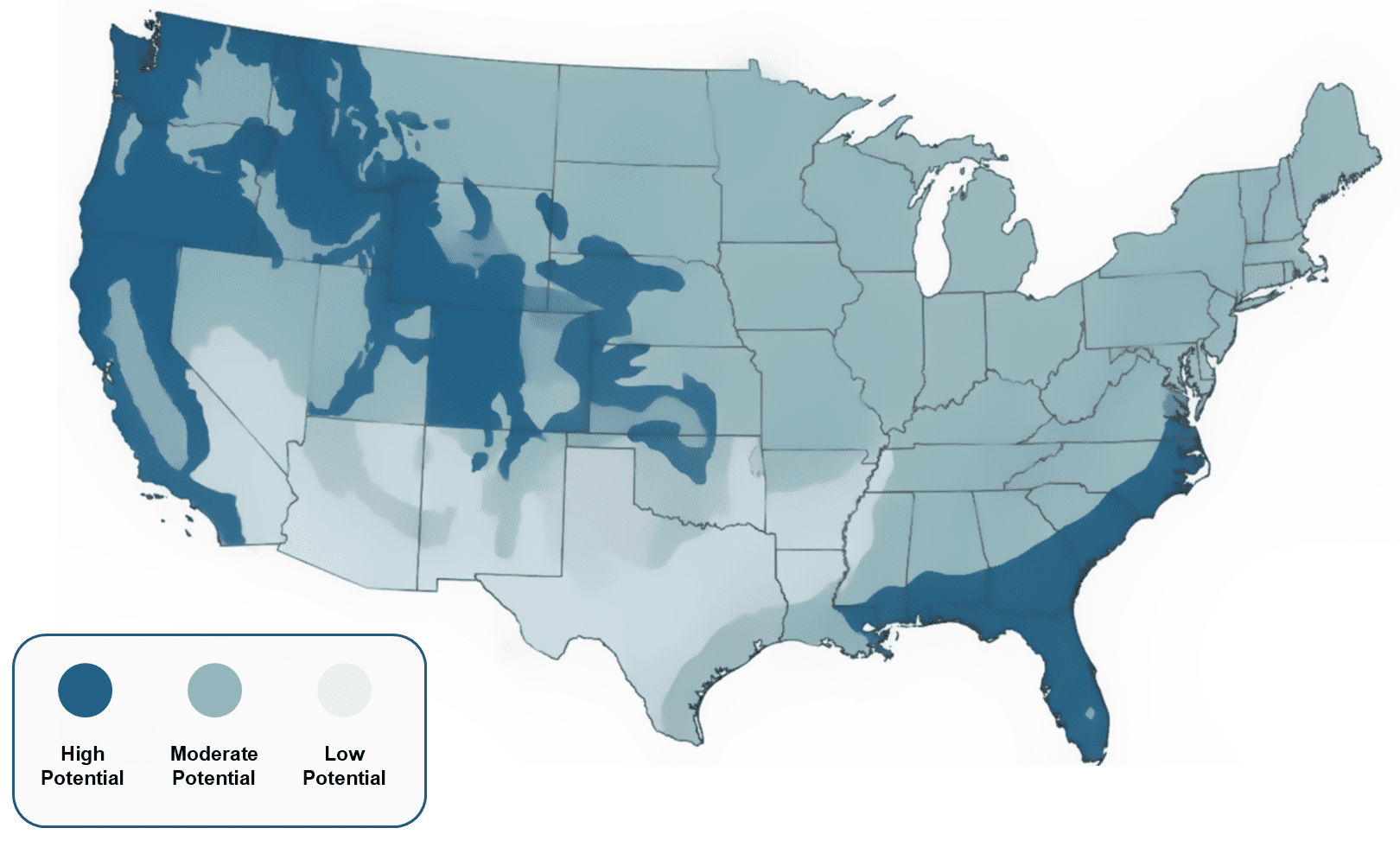
Costs are affected by the design itself as well as the geological subsurface and the outside temperatures. The use of refrigerant/anti-freeze within the system affects the flow rates and, therefore, the pipe size and distance between wells. Knowing the standards will help ensure the system is designed correctly for your specific location. (igshp.org, 2025) The National Laboratory of the Rockies (NLR) (formerly National Renewable Energy Laboratory (NREL) provides maps and references to help determine the areas of the country that would reap the best results from installing a GSHP system. The geologic conditions will dictate the design, thermal potential, and cost of the well field for a GSHP system. Using tools and data provided by NRL, is a simple and free way to help determine the viability of your site. (nlr.gov, n.d.)
Exhibit 4: Geologic Map of GSHP Potential. Subsurface conditions greatly affect the effectiveness of your system.
Below are some frequently asked questions to help you decide to start your GSHP evaluation and whether your project is in an ideal geologic location to provide maximum, consistent subsurface temperatures.
- Is there sufficient land or drill area?
- If there is sufficient land, which is a more costly drilling technique – vertical or horizontal drilling?
- Can trenching be performed over drilling?
- Are subsurface thermal conditions suitable (conductivity, moisture, etc.)?
- Will groundwater be encountered? What type of aquifer (beneficial use?) and what impact will the GSHP system have on the aquifer?
HYBRID Geothermal systems
Based on a building’s energy profile, a hybrid geothermal system may be a more cost-effective solution. This means buildings with profiles that are highly heating- or cooling-dominant would have a GSHP system covering about 80% of the load, with small boilers or fluid coolers making up the remainder. In a hybrid situation, the bore field size would be increased or the well spacing adjusted to accommodate the greater need.
Exhibit 5: Tracking Annual Performance. Combining a hybrid geothermal system with on-site generation (solar PV) and other traditional demand-side upgrades, savings are significant for Lake Land College.

Sample 20-Year Lifecycle Cost Comparison
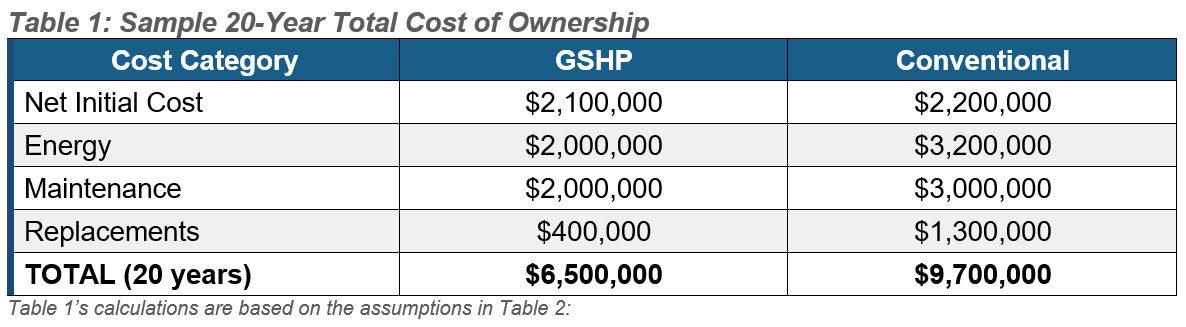
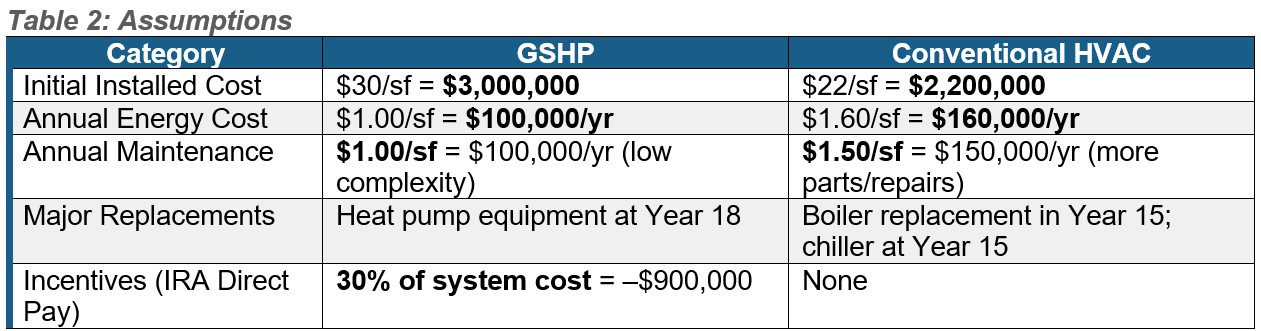
To better understand the cost benefits of replacing aging boilers and chillers with a new, long-lasting, efficient GSHP system, Table 1 presents a sample 20-year total cost of ownership. The initial net cost may look relatively small, but the overall savings over 20-years are significant, averaging 30%.
Your content goes here. Edit or remove this text inline or in the module Content settings. You can also style every aspect of this content in the module Design settings and even apply custom CSS to this text in the module Advanced settings.
Sample Schedule for Design and Installation
From project kickoff to design through implementation and commissioning, a typical GSHP system takes around 6-10 months, depending on the size of the project. The typical sequencing includes:
Weeks 1–6: Feasibility & preliminary planning
Weeks 7–16: Detailed design
Weeks 12–28: Permitting (overlaps design)
Weeks 14–26+: Equipment lead time (overlaps permitting)
Weeks 27–32: Site preparation & loop installation
Weeks 33–38: Mechanical & electrical installation
Weeks 39–42: Commissioning & training
However, each project design is unique, and subsurface conditions can greatly affect the schedule. Project schedules are built to minimize disruption to the learning environment.
Recent Examples of K-12 and Higher Education GSHP Systems
Recent examples of the interconnection between schools and GSHP systems goes beyond the design and implementation of the system. It allows for learning opportunities for students in both the technical aspect as well as the program management portions of the project through various STEM internship programs. (Veregy, 2025) Furthermore, student projects look at ways to convert oil and gas systems to GSHP system to take advantage of existing infrastructure while promoting a cost effective renewable and reliable heating and cooling source.
Oak Park & River Forest High School 200, Illinois – Veregy implemented a geothermal closed-loop system with 575-tons of cooling capacity to replace the central plant, which provides a more reliable energy source and the lowest ongoing energy and maintenance costs. The new system is controlled by BAS to enable load shifting. This new GSHP system will provide 50% of the school’s cooling needs, thereby reducing electric grid demand and lowering maintenance costs over the life of the contract.
Lake Land College, Illinois – Veregy designed and implemented a campus-wide community GSHP system to connect the 14 buildings previously connected to the central plant. This new GSHP system has over 500 wells and a condenser water loop that encircles the campus, providing 75% of the system’s condenser capacity. The entire loop was constructed early in the project, and each building’s well field was constructed and connected to the loop in subsequent phases thus minimizing disruptions. The original boiler system was left in place to serve as emergency heat on the coldest of days.
Seattle Public Schools, Washinton – All 15 schools in the district with new geothermal heat pumps have eliminated gas-fired boiler systems, and their associated maintenance costs. At elementary schools, geothermal heat pumps have lowered the energy use intensity (EUI) from 42 to 15–20. (energy.gov, n.d.) Seattle Public Schools are becoming fossil fuel free through the installation of GSHP system across the district. AI-generated image.

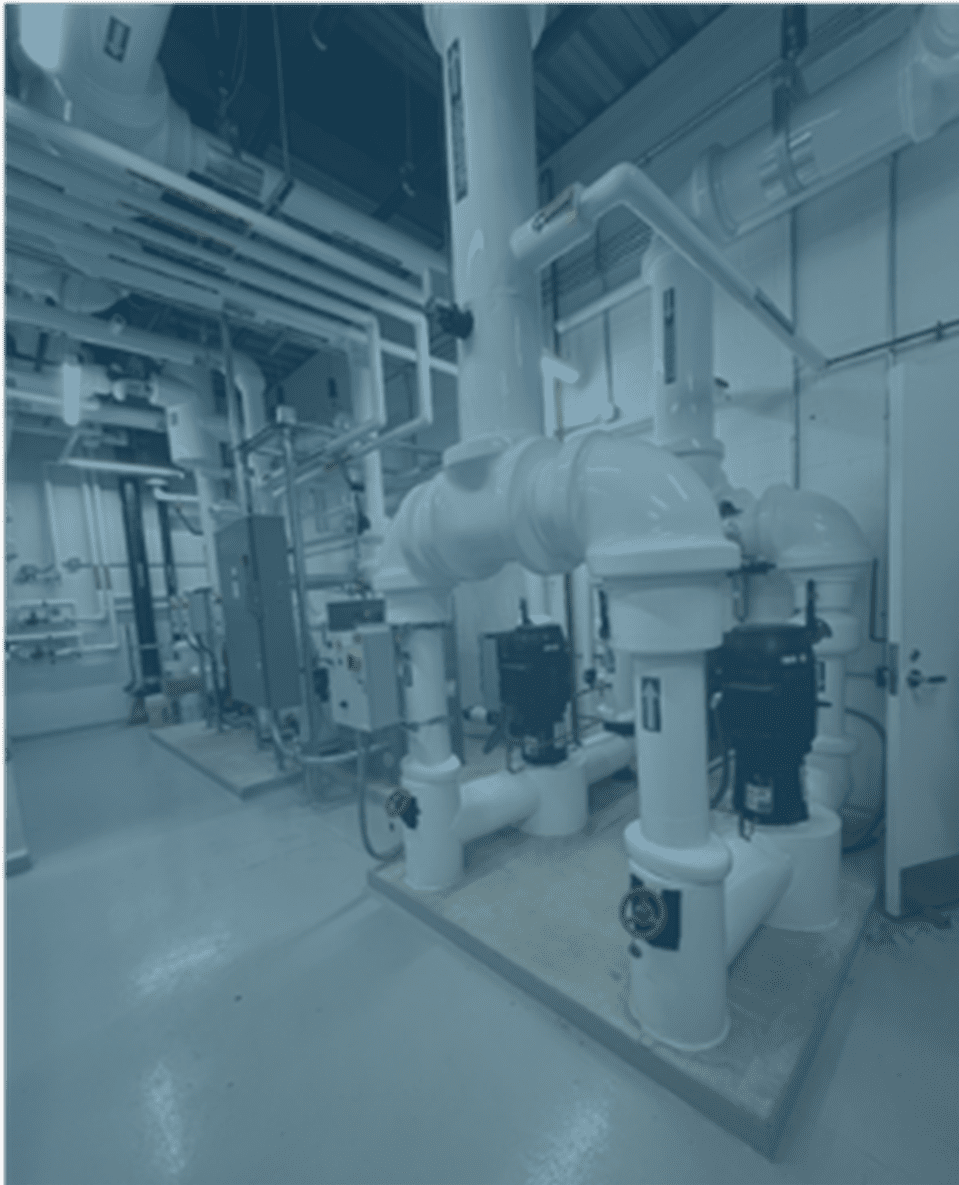
Exhibit 6: CSI’s geothermal system may be hidden on the surface, but stepping foot into the heating plants reveals another, more colorful story. The brightly colored pipes move thousands of gallons of warm water daily for heating. Photo from the College of Southern Idaho.
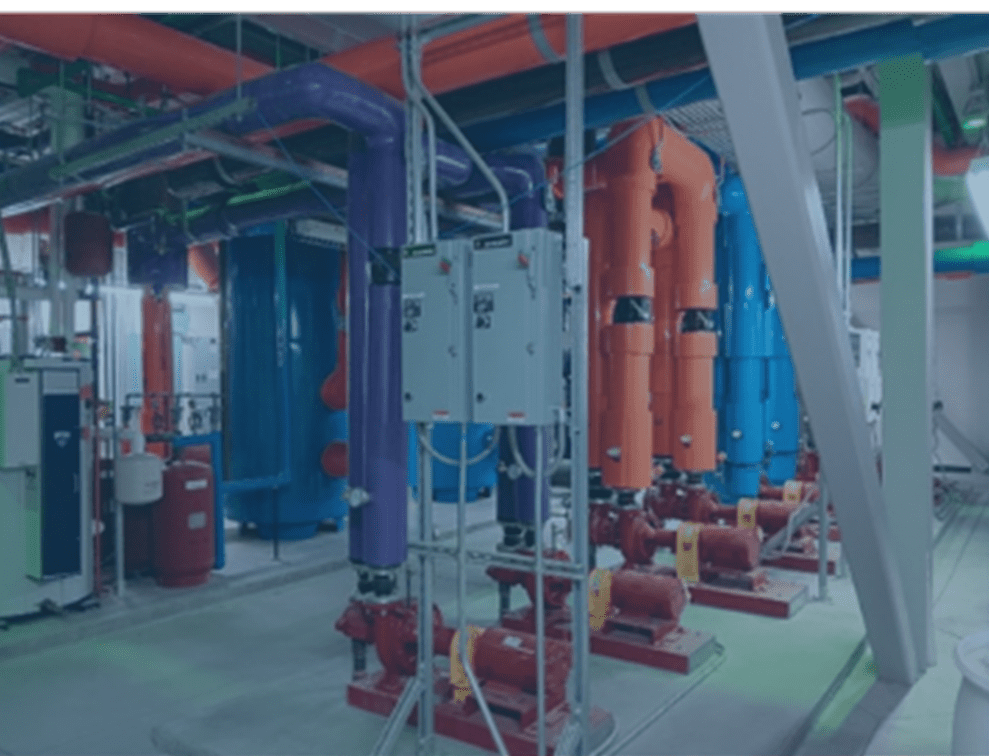
College of Southern Idaho, Idaho – In 1973, the College of Southern Idaho (CSI) installed a GSHP system that is still providing the heating and cooling necessary to operate the campus, making it an all-electric campus. The campus heats more than 730,000 square feet from only two geothermal wells, largely because of the high temperature of the water coming to the surface. The wells are 2,220 and 1,480 feet deep and are operated with lead/lag control, where the lead pump switches every week. This means most of the year CSI is only operating one of the deep wells at a time. Because the school has been on a geothermal system for decades, cost and energy savings are harder to calculate than more recent retrofits, but the college estimates they are saving at least $125,000 per year. (energy.gov, n.d.)
Oklahoma University, Oklahoma – As part of U.S. Department of Energy 2022 Geothermal Collegiate Competition, the Sooners Geothermal Team won first prize. This project focuses on geothermal energy production from existing hydrocarbon fields. (energy.gov, n.d.)
Exhibit 7 (right): The Sooners Geothermal Team, first-place winners of the U.S. Department of Energy 2002 Geothermal Collegiate Competition, pose with competition organizer Caity Smith during their community event.

Why Now?
Now is a great time for schools to invest in GSHP systems because costs can be dramatically reduced with current incentives (both state and federal). Furthermore, you can adjust your budgets based on consistent energy usage, freeing funds for education rather than infrastructure upgrades. A GSHP installation can be part of a long-term infrastructure upgrade, replacing worn-out equipment with something that lasts longer and costs less to operate. Today, GSHP technology is more efficient and reliable than in the past. With newer building automation systems integrated, occupancy comfort is more consistent. Lastly, installing a GSHP system provides students with real-world examples of renewable energy and opportunities for hands-on learning in science, engineering, and sustainability programs.
K-12 andd higher education gshp stats
- In the U.S., over 600 schools are documented as having installed geothermal (GSHP) systems. (Lund, 2024)
- Schools represent a significant share of the commercial/institutional GSHP market, which includes over 1,200 large-scale installations nationwide.
- The average U.S. school building is approximately 50 years old, and an estimated 36,000 schools require major HVAC upgrades or replacements. (Hines, 2023) Only about 30% of K-12 educational buildings in the U.S. rely on heat pumps for space heating (this includes air-source and ground-source heat pumps). (Shok, 2023)
- GSHP installations in school districts report 30% to 77% reductions in energy use compared to conventional HVAC systems, according to DOE.
In Summary
The benefits of investing in a GSHP system for your school or college campuses include:
- Lower and more predictable operating costs
- Reduced maintenance and longer equipment life
- Shorter total cost of ownership
- Facilitates deferred maintenance savings
- Improved indoor air quality at lower operating costs
- Fewer emergency repairs and service interruptions
- Avoided risks of fossil fuel price swings
- Easier long-term budgeting due to stable utility usage
References:
- U.S. Energy Information Administration, “Geothermal Explained,” https://www.eia.gov/energyexplained/geothermal/
- U.S. Department of Energy, “Office of Geothermal,” https://www.energy.gov/eere/geothermal/office-geothermal
- National Center on School Infrastructure (NCSI), “Ground-Source Heat Pumps: A Healthy and Affordable HVAC Choice for K-12 Schools,” https://school-infrastructure.org/ground-source-heat-pumps-a-healthy-and-affordable-hvac-choice-for-k-12-schools-77o/
- U.S. Department of Energy (DOE), “Geothermal Basics,” https://www.energy.gov/eere/geothermal/geothermal-basics
- S. Department of Energy, “Energy 101: Geothermal Energy,” https://www.youtube.com/watch?v=mCRDf7QxjDk&t=97s
- Better Buildings™ Better Plants, “K-12 School Districts,” https://betterbuildingssolutioncenter.energy.gov/sectors/k-12-school-districts
- https://www.facilitiesdive.com/news/k12-schools-facilities-management-survey-maintenance-budget-constraints-planning/727245/
- U.S. Department of Energy (DOE), “Guide to Geothermal Heat Pumps,” https://www.energy.gov/energysaver/consumer-guide-geothermal-heat-pumps-fact-sheet
- International Ground Source Heat Pump Association (IGSHPA), “About Geothermal,” https://igshpa.org/about-geothermal
- UndauntedK12, “Updates to Energy Tax Credits,” https://www.undauntedk12.org/energy-tax-credits-for-schools-updates
- National Center on School Infrastructure, “Energy Tax Credits for Schools: What Education Leaders Need to Know,” https://school-infrastructure.org/energy-tax-credits-for-schools-what-education-leaders-need-to-know-pro/
- International Ground Source Heat Pump Association, “Ground Source Heat Pump Residential and Light Commercial Design and Installation Guide, Revision July 3, 2025,” https://igshpa.org/wp-content/uploads/Updates-RLC_Jul2025.pdf
- National Laboratory of the Rockies, “Geothermal Resource Data, Tools, and Maps,” https://www.nlr.gov/gis/geothermal
- Veregy, “Cultivating the Future Leaders of Sustainable Infrastructure,” https://veregy.com/internship/
- U.S. Department of Energy, “Geothermal Heat Pump Case Study: Seattle Public Schools,” https://www.energy.gov/eere/geothermal/geothermal-heat-pump-case-study-seattle-public-schools
- U.S. Department of Energy, “Geothermal Heat Pump Case Study: College of Southern Idaho,” https://www.energy.gov/eere/geothermal/geothermal-heat-pump-case-study-college-southern-idaho
- U.S. Department of Energy, “Stakeholder Event Highlights Student Plan to Transition Local Oil and Gas Assets to Geothermal Energy,” https://www.energy.gov/eere/geothermal/articles/stakeholder-event-highlights-student-plan-transition-local-oil-and-gas
- ResearchGate, “Geothermal (Gound Source) Heat Pumps – A World Overview,” https://www.researchgate.net/publication/238065306_Geothermal_ground_source_heat_pumps-A_world_overview
- Rocky Mountain Institute, “Four Reasons Why K-12 Schools Are Warming Up to Heat Pumps,” https://rmi.org/four-reasons-why-k-12-schools-are-warming-up-to-heat-pumps
- Building Hub, “Education’s Electrification: Progress on the Decarbonization of K-12 Schools,” https://atlasbuildingshub.com/2023/12/18/educations-electrification-progress-on-the-electrification-and-decarbonization-k-12-schools-according-to-cbecs-2018