
Three Simple Steps
We know this is a difficult time for all, especially for businesses navigating the complexities of managing staff, suppliers, perhaps students, and remote access capabilities. We also know that managing your energy efficiently is likely not a top priority right now, and rightfully so, as health and safety must come first. We at Veregy have also taken steps to help stop the spread and keep our communities and clients safe by working remotely. We continue to be available and flexible to support our customers and communities during this time.
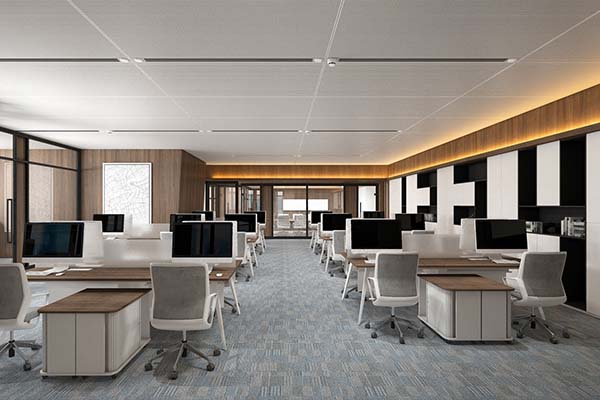
As buildings increasingly become lightly occupied or unoccupied, there is an immediate opportunity to reduce energy use and costs by make a few adjustments to the building’s operations. Here are three simple steps you can take now to reduce energy during low to no-occupancy:
Adjust HVAC Systems
- Air Handling schedules and exhaust fans. If buildings are unoccupied, set the units to off. This can be done in the HVAC automation system. If you do not have an automation system, turn the HVAC units off at the thermostats. VAV systems can also be set to unoccupied mode. Don’t forget about central plant equipment like chillers and boilers
- Adjust Thermostats. If buildings are in use, but not regularly occupied, consider setting the thermostat set-points to have a large dead band range (i.e. 65F-78F) to reduce cycling. This may be a good strategy for buildings that are required to be maintained at a certain temperature or humidity
Adjust Lighting Schedules. Unless required by code and/or for specific safety needs, reduce or turn off interior lighting run-times. This can be accomplished in the automation system. If you don’t have an automation system, ensure that all non-essential lighting is off or is controlled by an occupancy sensor
Turn Off or Unplug Office Equipment. Much of our equipment today will slip into a standby mode when not used for a moderate period of time. The standby mode uses fractions of the energy used by a fully powered system. This is convenient for us when we come back the next morning, but in unoccupied buildings, scores of these idle machines can still consume energy.
Deeper Savings Available
While the steps above will help you to save energy while you tackle more important operational issues, there are a number of other steps, technologies, and control sequence changes that will ensure that the building’s energy usage tracks with the decreased in occupancy. For example, occupancy sensors, CO2 sensors, occupied standby sequences, and demand-control ventilation sequences allow HVAC systems to dynamically react to building loads during times of light and no building occupancy. Further, our colleagues at ASHRAE have provided the following Guidance for Building Operations During the COVID-19 Pandemic.
We are building efficiency experts well-versed in technologies and control strategies to optimize building energy performance during low-occupancy conditions, while still maintaining code-compliant and safe working environments for the remaining occupants. We are also cognizant that some high-traffic buildings may benefit from more energy-intensive control strategies, such as increasing outside ventilation air or increasing air change rates.
As always, we are available to help you with your specific facility and system needs.