By: Jon Saxton
This article was published in the Fall 2023 issue of the Buckeye Association of School Administrators AdminiScope.
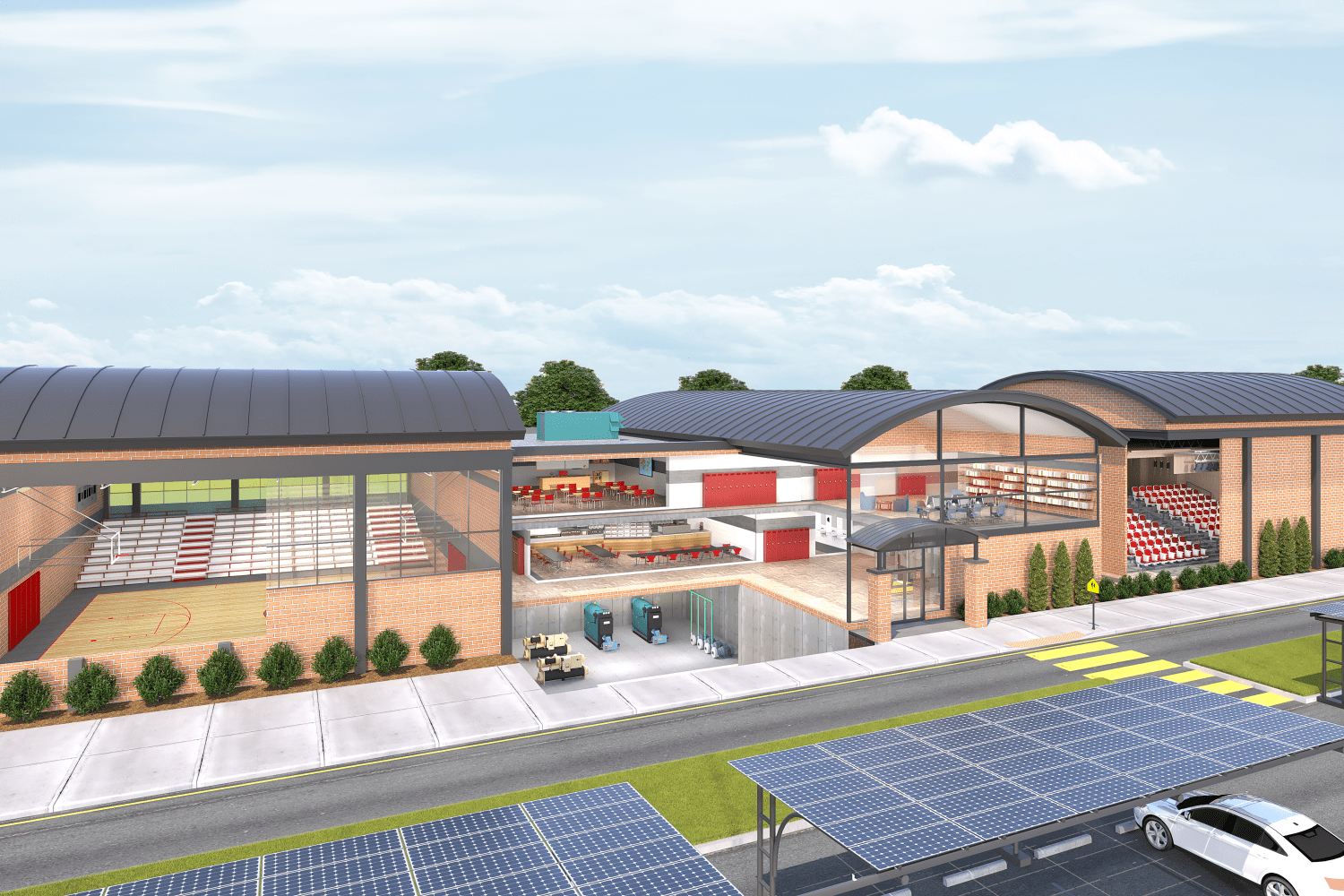
A systemic approach to facility management involves considering the entire facility as an interconnected system, understanding how various components (such as equipment, personnel, and processes) interact, and using this holistic view to optimize performance, efficiency, and long-term outcomes.
Many U.S. schools have sophisticated facilities. Buildings built in the last 20 years may seem “new” to many community members, but at this age, many buildings’ systems need major repairs, improvements, or replacements.
The Veregy approach is systems-based. A systemic approach provides decision-makers and operational leaders with the tools, resources, data, and technology that allow them to do their jobs effectively. Not only does Veregy provide the knowledge and technology, but we also provide ongoing support and firmly believe in the importance of building strong relationships to assist our customers as a trusted partner.
In the absence of the many years of training and knowledge needed for becoming operational “experts,” there are a few basic recommendations Veregy suggests for school leaders:
- Invest in a Computerized Maintenance Management System (CMMS) to streamline the coordination of facilities and existing systems.
- Meet regularly (monthly) with maintenance leaders to discuss short and long-term goals, as well as urgent issues that may arise.
- Maintain good records; use a CMMS and/or spreadsheets to track work.
- Establish SMART goals each year for building operations.
- Utilize data reporting systems and electronic dashboards, which help optimize efficiency.
- Delegate and enlist the help of trusted partners to consult with you to increase effectiveness and efficiency.
- Build a budget for properly maintaining and replacing equipment. Avoid “run to fail” or “deferred maintenance” strategies. Ultimately, these strategies cost more and invite bigger problems for your district in the long run.
Even though your building’s indoor air quality operations are not as easily seen by the public, that does not make them any less important than those that are. Communicate with all stakeholders for them to better understand what is involved in keeping your buildings safe, healthy, and efficient.
For more information, get in touch with your Veregy Account Executive or Contact Us.
Case Studies
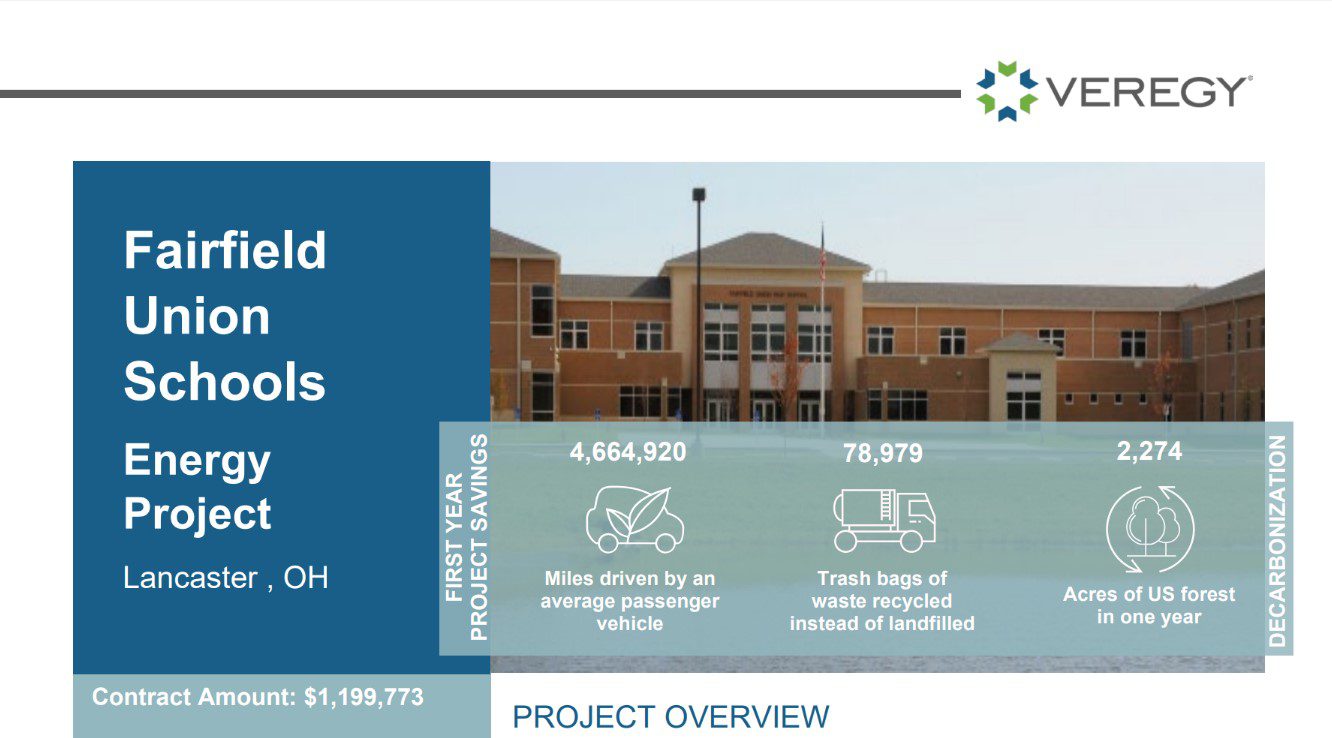
Fairfield Union Schools
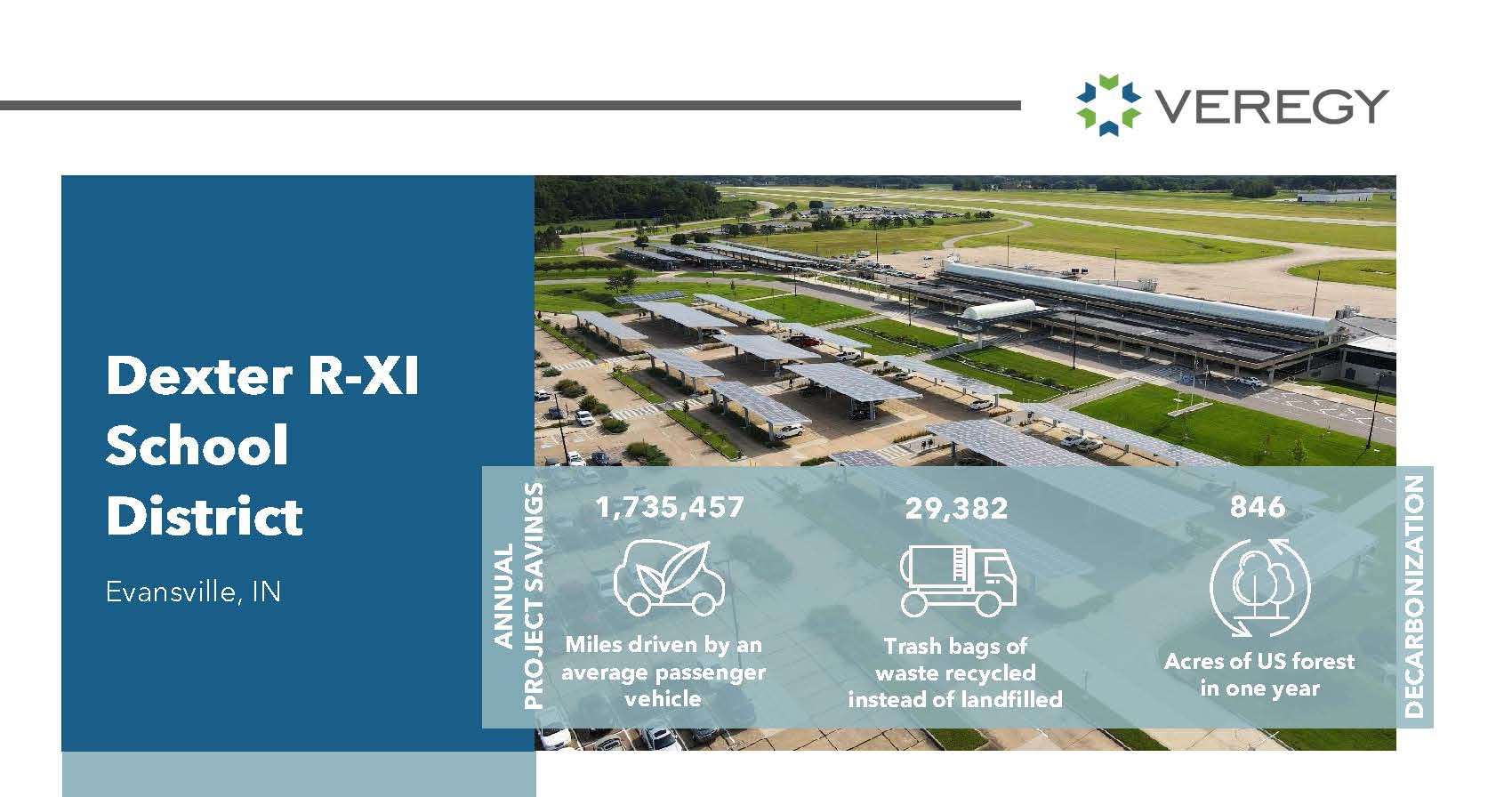
Dexter Schools
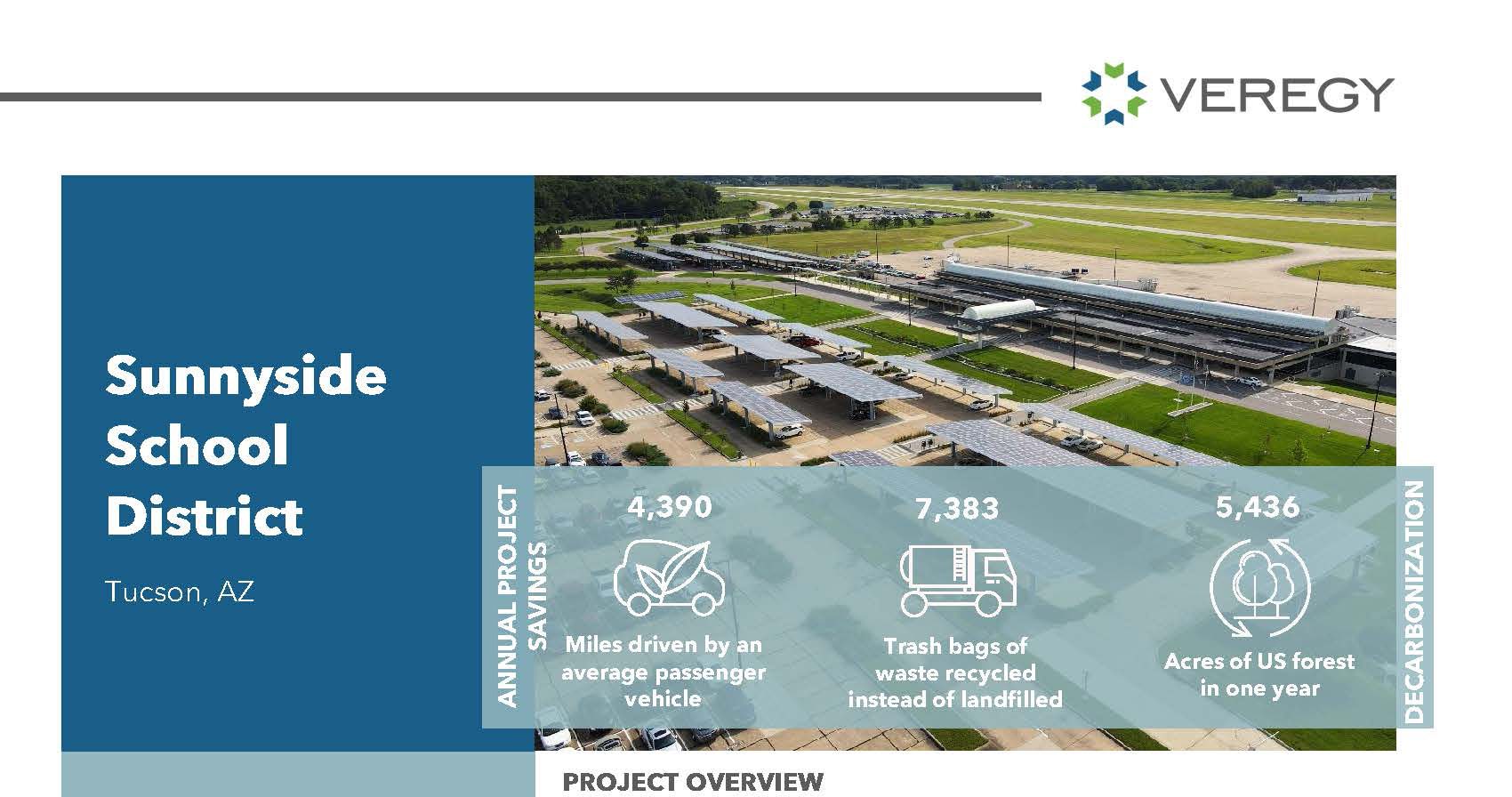
Sunnyside Schools