Industries
UNMATCHED SERVICE AND EXPERIENCE IN THE ACADEMIC, HEALTHCARE, GOVERNMENT, FEDERAL, COMMERCIAL, TRANSPORTATION, AND AVIATION SECTORS
Sustainable Infrastructure & Energy Modernization for Essential Industries
Modernizing facility infrastructure requires a specialized integration of engineering, decarbonization, and long-term asset management. For organizations in the Education, Healthcare, Government, Transportation and Commercial sectors, optimizing building performance is no longer just about maintenance, it’s about achieving operational resilience and meeting stringent sustainability mandates.

K-12 EDUCATION
LOCAL GOVERNMENT

HEALTHCARE

TRANSPORTATION

Federal Government
Core Technical Capabilities
Comprehensive infrastructure upgrades utilize a multi-disciplinary approach to reduce energy intensity and operational overhead.
Key service areas include:
- Mechanical & MEP Systems: High-efficiency HVAC, plumbing, and electrical retrofits.
- Renewable Energy Integration: On-site solar arrays, battery energy storage systems (BESS), and geothermal heating/cooling.
- Smart Building Technology: Intelligent building automation, low-voltage systems, and remote facility optimization.
- Energy Management: Comprehensive audits, energy reporting, and master systems integration.
Industry-Specific Impact
By aligning technical expertise with sector-specific requirements, facility managers can address unique challenges:
Example challenges:
- K-12 & Higher Ed: Creating healthy learning environments while reducing deferred maintenance backlogs.
- Healthcare: Ensuring 24/7 critical power reliability and regulatory compliance.
- Government & Federal: Maximizing taxpayer dollars through energy performance contracting and carbon reduction.
- Manufacturing & Transportation: Streamlining industrial clean energy solutions and EV infrastructure.
INDUSTRY
SOLUTIONS




K-12 Education
Modernizing Learning Environments
K-12 facility upgrades prioritize indoor air quality and energy efficiency to create healthy learning environments. Strategic infrastructure projects address deferred maintenance backlogs through upgraded building automation systems, solar integration and HVAC optimization, allowing districts to redirect utility savings back into the classroom.
Local Government
Reliable Public Services on a Practical Budget
Cities and counties can modernize public buildings and parks while keeping a tight grip on taxpayer dollars. From efficient street lighting to upgraded community centers, these improvements lower monthly utility bills and ensure that local infrastructure stays reliable during extreme weather or high grid demand.
Federal Government
Securing Mission-Critical Energy Performance
Federal agencies can meet strict energy-use mandates and improve facility security. Through performance-based contracting, we help modernize aging government buildings to ensure reliability and long-term cost predictability.
Transportation
Building the Future of Transit & Aviation
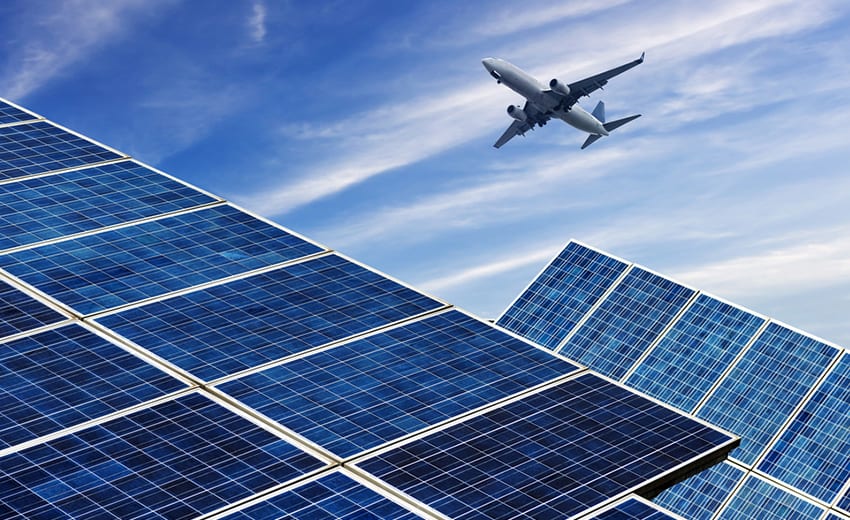
Airports and transit hubs can lower their daily operating costs while preparing for the shift to electric fleets. Integrated energy systems, from solar energy and EV charging networks to advanced terminal lighting, increase revenue, improve the passenger experience and reduce the environmental impact of heavy-duty travel hubs.
Healthcare
Safe, Reliable Power for Patient Care
Hospitals require constant, high-quality power to protect patient safety and clinical operations. Modernizing facility systems ensures that life-saving equipment stays online, air quality remains pristine, and the facility meets every regulatory requirement, all while shrinking the high cost of energy.
Manufacturing
Lowering Production Costs with Smart Systems
Industrial facilities can boost their bottom line by reducing energy waste on the factory floor. By updating old equipment with smart sensors and automated controls, manufacturers can lower their overhead, meet green energy standards from their customers, and keep their operations running at peak efficiency.
American Indian Tribes
Environmental Stewardship for Tribal Lands
Tribal nations can take control of their energy through localized energy solutions and renewable community enhancements. These projects provide reliable, affordable electricity for businesses and community spaces, ensuring that tribal lands remain resilient and self-sufficient for generations to come.